

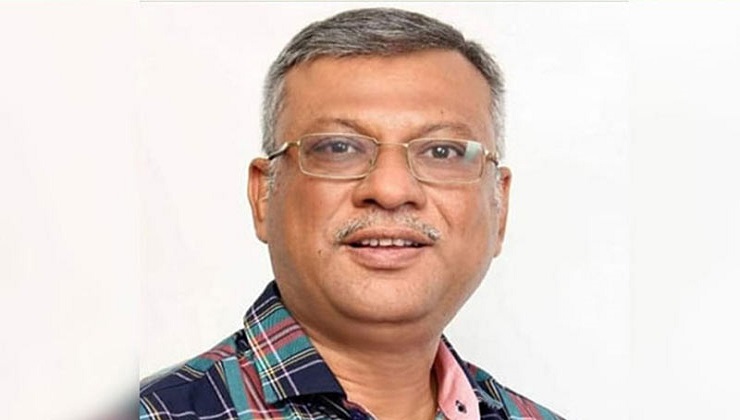
The upcoming national parliamentary election in Dhaka–12 constituency has reignited political tension in the capital. At the heart of the discussion is Saiful Alam Nirab, former convener of BNP’s Dhaka North city unit and a leader seasoned through years of political struggle. Despite being expelled from the party, political analysts believe Nirab remains in a strong position in the electoral race, backed by significant support from local residents and grassroots activists.
Field visits across different areas of Dhaka–12 and conversations with ordinary voters reveal that public sympathy and trust in Saiful Alam Nirab remain largely intact. Many believe that his 17 years of political persecution—marked by imprisonment, harassment, and prolonged periods in hiding—have only strengthened his political identity rather than diminished it.
A Long Chapter of Persecution
Party and family sources say that over the past 17 years, Saiful Alam Nirab has faced continuous political repression. Due to cases, fear of arrest, and constant surveillance, he was reportedly unable to stay at his own residence for nearly 360 days a year. Most nights of his life were spent in hiding.
According to several party activists, Nirab was not the only one to suffer during this period; his family also endured immense pressure. Yet, despite these hardships, he never distanced himself from street movements. Instead, he played a key role in keeping party activists organized during critical moments.
A senior BNP supporter from Dhaka–12 said,
“Leaders like Nirab are not easily broken. The sacrifices he has made over 17 years have not been forgotten by ordinary people.”
A Talented and Dynamic Youth Leader
Colleagues describe Saiful Alam Nirab as a talented, sharp, and highly capable organizer in Dhaka’s political arena. Rising through student politics, he established a strong foothold in metropolitan politics through his active participation in movements, rallies, and organizational activities.
Party leaders say that even during difficult times, he stood beside grassroots activists. Ignoring the fear of arrest, remaining active on the streets, and providing leadership during protests made him a symbol of trust among party workers.
A local youth remarked,
“Nirab bhai is not just a leader; he is like a guardian to us. We found him close by whenever we were in trouble.”
Expulsion from the Party and Political Turmoil
A dramatic turn came when BNP expelled Saiful Alam Nirab on charges of violating party discipline by acting against organizational decisions. At the time, he was serving as the convener of BNP’s Dhaka North city unit.
Notably, BNP had initially nominated Nirab as its candidate for Dhaka–12. However, as part of an alliance decision, the seat was later allocated to Saiful Haque, general secretary of the Revolutionary Workers Party. This decision triggered dissatisfaction among local BNP leaders and activists.
Local leaders claim that grassroots opinions were not properly taken into account. Subsequently, Saiful Alam Nirab submitted his nomination papers as an independent candidate, adding a new dimension to the electoral contest.
Strong Position as an Independent Candidate
Despite his expulsion, locals believe Nirab’s popularity has not declined significantly. Rather, his independent candidacy has generated renewed enthusiasm among voters in the constituency.
Discussions with general voters indicate that many prioritize personal sacrifice, integrity, and commitment to the area over party affiliation.
A shopkeeper said,
“Whichever party it is, we look at the person. Nirab bhai stood by us in difficult times. This time, my vote is for him.”
Support from Working-Class Voters
A particularly notable aspect of Nirab’s support base is the working-class population. He has maintained long-standing connections with laborers, rickshaw pullers, small traders, and day laborers. His presence beside them during political movements has earned him wide acceptance among these groups.
A rickshaw puller commented,
“He understands our struggles. Big leaders come only during elections, but Nirab bhai has always been there.”
Political analysts believe this segment of voters could play a decisive role in the final outcome.
Contribution to the Party and Political Assessment
Many senior BNP leaders believe that Saiful Alam Nirab’s contribution to the party cannot be overlooked. His long involvement in movements, efforts to organize activists, and leadership during challenging times are regarded as significant chapters in the party’s history.
A former BNP leader, speaking on condition of anonymity, said,
“The party may have taken a decision on disciplinary grounds, but it can never deny Nirab’s sacrifices.”
Electoral Equation and Prospects
According to political analysts, the Dhaka–12 election is shaping up to be highly competitive. In a three-way contest involving party candidates, alliance nominees, and an independent contender, the outcome will largely depend on voter turnout, last-minute political strategies, and public sentiment.
One thing, however, is clear—Saiful Alam Nirab has established himself as a strong contender in this election. Even without party backing, his personal popularity and long record of political sacrifice have placed him ahead in the race.
Overall, the Dhaka–12 election is not merely a battle for a parliamentary seat; it has become a crucial test of individual credibility versus party decisions. After enduring 17 years of repression, a life in hiding, and relentless street struggles, Saiful Alam Nirab continues to stand as a symbol of trust and goodwill among ordinary people.
Whether he emerges victorious will be decided by the ballot box. What is certain, however, is that the Dhaka–12 election will remain a major topic of discussion in the capital’s political landscape for a long time to come.