

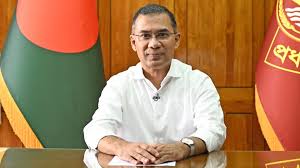
For decades, Bangladesh’s political landscape was marked by centralized power, political confrontation, and administrative instability. However, following the student-led mass uprising of August 5, 2024, the country entered a new democratic phase. In that changing political environment, the Bangladesh Nationalist Party (BNP) secured a landslide victory in the national parliamentary election held on February 12, 2026, and the party’s chairman, Tarique Rahman, assumed office as the Prime Minister of Bangladesh.
Since taking office, Tarique Rahman has presented himself as a different kind of political leader. According to political observers, the defining characteristics of his leadership are moderation, public engagement, and active administrative oversight. Despite occupying the country’s highest executive office, there has been no visible transformation in his personal lifestyle or behavior. Instead, he continues to move among ordinary citizens and maintain direct communication with people from different social and professional backgrounds.
Government sources indicate that the Prime Minister spends long hours each day overseeing state affairs. To improve administrative efficiency, he regularly monitors the activities of the Secretariat and various ministries. His participation in official meetings even on weekends has reportedly created a new work culture within the public administration. After years of political uncertainty and institutional stagnation, government offices are once again witnessing improved punctuality and accountability, according to officials from different administrative levels.
Tarique Rahman’s political journey, however, has not been without controversy and challenges. As the eldest son of former President Ziaur Rahman and former Prime Minister Begum Khaleda Zia, he became involved in politics from an early age. During the early 2000s, he emerged as a prominent organizer within the BNP through extensive grassroots engagement and nationwide political outreach. His direct interaction with party leaders and activists helped establish him as an influential figure among the party’s younger generation.
At the same time, various allegations and legal cases also shaped his political career. He faced accusations related to corruption, money laundering, and other offenses, and was arrested during the caretaker government period. Later, he moved to the United Kingdom for medical treatment and remained abroad for many years. The BNP consistently described the cases against him as politically motivated. Following the political transition of 2024, courts dismissed the remaining charges against him, clearing the way for his return to Bangladesh.
After returning to the country in December 2025, Tarique Rahman reorganized his party and focused on rebuilding public confidence. During the election campaign, he emphasized democratic restoration and administrative reform as his central political commitments. As a result, the BNP secured a two-thirds parliamentary majority in the 2026 election and formed the government.
One of the most widely discussed aspects of Tarique Rahman’s premiership is his close connection with ordinary people. His efforts to monitor the condition of disadvantaged communities and provide direct instructions to the administration regarding public welfare have generated positive discussion across social and political circles. Many observers believe he is attempting to establish a more people-oriented political culture in Bangladesh.
Such leadership styles are often seen in many developed democratic countries. Prime ministers and political leaders in countries such as Canada, New Zealand, and several Nordic nations are frequently seen interacting directly with citizens, avoiding excessive protocol, and leading relatively simple public lives. Political analysts argue that Tarique Rahman’s recent conduct reflects elements of that democratic political culture within the Bangladeshi context.
However, analysts also caution that maintaining public popularity requires more than a modest personal lifestyle. Addressing key national challenges such as economic stability, employment generation, inflation control, education, and healthcare reform will be essential for the long-term success of his government. Public expectations are now significantly higher, and the government’s ability to deliver tangible results will ultimately determine the country’s political stability and democratic progress.
Overall, in the current political context of Bangladesh, Tarique Rahman has emerged as a symbol of a new political culture, according to his supporters. Through his public engagement, administrative activism, and comparatively modest leadership style, he has already earned recognition among many as the “People’s Prime Minister.” Time will determine how far this popularity can be transformed into lasting political success and whether his leadership can guide Bangladesh toward a more effective democratic and development-oriented future.