

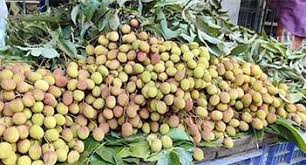
Even before the full summer fruit season begins, mangoes and lychees have already appeared in markets across the capital and other parts of the country. Bright yellow mangoes and reddish lychees displayed in shops are attracting eager buyers. However, the reality is quite different. Experts say that the season for these popular summer fruits has not yet fully arrived, meaning that most of the mangoes and lychees currently available in the market are unripe. As a result, consumers are being deceived by paying high prices for poor-quality fruits, while also facing serious health risks.
According to the official “Mango Calendar” published by the administration, only some local varieties of mangoes from Satkhira are supposed to be available in the market at this time. However, markets in Dhaka are already selling popular varieties such as Himsagar, Langra, Amrapali, and other improved species. Concerned stakeholders allege that a large portion of these mangoes are being harvested before maturity and artificially ripened with chemicals before being sold.
The proper season for lychees has not fully arrived either. In particular, lychees from Dinajpur and Pabna are expected to reach markets several days later. Yet, different varieties of lychees are already being sold, most of which are reportedly unripe.
Visits to major wholesale and retail markets in the capital, including Karwan Bazar, Jatrabari, Nayabazar, and Mohammadpur Krishi Market, revealed that mango varieties such as Gopalbhog, Himsagar, Langra, and Golapkhas are being sold from the very beginning of May. Many traders claim that these mangoes are coming from Rajshahi and Chapainawabganj. However, agricultural officials argue that, according to the Mango Calendar, most mangoes from those regions have not yet reached maturity.
Only Satkhira Mangoes Are Supposed to Be in the Market
This season, the Satkhira district administration allowed the harvesting of Gopalbhog, Gobindobhog, Golapkhas, Baishakhi, and Bombay mangoes from May 5. According to the same calendar, Himsagar and Khirsa mangoes are scheduled for harvesting from May 15, Langra from May 27, and Amrapali from June 5.
Yahya Hasan, a mango trader from Satkhira, told Dhaka Mail over the phone that the district has witnessed a bumper mango production this season. Following the district administration’s declared schedule, mango supply to markets began on May 5. Currently, mainly Gopalbhog and Gobindobhog varieties are being harvested, with Gobindobhog production exceeding that of Gopalbhog. Mangoes are being transported daily from Satkhira to different regions of the country.
However, he complained that markets in Dhaka and other cities are already flooded with unripe mangoes, damaging the reputation of genuine Satkhira mangoes. According to him, during the early phase of the season, the market should mainly contain mangoes from Satkhira as per the official calendar. Instead, unripe mangoes are being collected from different regions and artificially ripened with chemicals before being sold, deceiving consumers and posing serious threats to public health.
According to the Rajshahi district administration’s Mango Calendar, Gopalbhog mangoes are scheduled to arrive in the market on May 22, Himsagar (also known as Khirsapat) on May 30, and Langra on June 10. In Naogaon, permission has been given to harvest Gopalbhog from May 30, Himsagar from June 2, and Langra from June 10. In Chuadanga, Himsagar harvesting is scheduled from May 20 and Langra from May 25.
Despite this, the presence of these varieties in the capital’s markets at this stage has raised questions among consumers and experts alike.
“Ripe Outside, Raw Inside”
Rabiul Islam, a resident of Jatrabari, said he bought mangoes for his family after being attracted by their appearance. “When we cut them at home, they were raw inside. Later that night, my child developed stomach pain. Then I realized the mangoes had not ripened naturally,” he said.
Another buyer from the Paltan area said, “I knew the mangoes available now would probably not be good, but I couldn’t resist the temptation. Even after paying Tk 250 per kilogram, I did not get quality mangoes.”
Currently, early-season mangoes are being sold at retail prices ranging from Tk 190 to Tk 300 per kilogram, while lychees are being sold at Tk 450 to Tk 900 per bunch.
Stakeholders allege that some traders are harvesting unripe fruits early in order to make quick profits during the beginning of the season. They then use calcium carbide, ethephon, and other ripening chemicals to artificially ripen the fruits before marketing them.
On April 29, police in Satkhira seized nearly 9,000 kilograms of unripe mangoes artificially ripened with chemicals and carbide. A total of 351 crates of mangoes were recovered from a truck bound for Chattogram, which police said had been chemically treated.
Officials from the Department of Agricultural Extension said every fruit has a specific maturity period. Harvesting fruits before they mature prevents the natural development of pulp inside. As a result, although the fruits may appear ripe externally, their quality and nutritional value remain poor.
Experts have advised consumers to avoid excessively shiny, unusually bright, or odorless fruits. They also recommend soaking fruits in water for some time and washing them thoroughly before consumption.
Relevant authorities and experts stressed that enforcement drives alone will not be enough to stop the spread of unripe and chemically treated fruits. Awareness must also be raised among farmers, wholesalers, traders, and consumers.
Serious Health Risks Warned
Public health expert Dr. Shamsul Amin warned that some traders use toxic chemicals to ripen unripe fruits, posing severe risks to public health. According to him, while such fruits may initially cause vomiting and diarrhea, long-term consumption could lead to liver and kidney damage and even increase the risk of cancer.
He also warned that unripe lychees are especially dangerous for children. Eating such lychees on an empty stomach may reduce blood glucose levels and cause severe neurological complications.
Chairman of the Bangladesh Food Safety Authority, Md. Anwarul Islam Sarkar, said that farmers are regularly being brought under training programs to ensure safe and chemical-free fruits. Through training and awareness campaigns, farmers are being encouraged to avoid the use of harmful chemicals.
He further stated that legal action is taken whenever evidence of harmful chemical use or the marketing of unripe fruits is found. Mobile courts are also being conducted regularly to punish offenders. He added that regular monitoring and drives are being carried out in coordination with relevant agencies to ensure safe fruits in the market.
Call for Greater Awareness
SM Nazer Hossain, Vice President of the central committee of the Consumers Association of Bangladesh (CAB), said that dishonest syndicates become active even before seasonal fruits officially enter the market. In pursuit of quick profits, they artificially ripen unripe fruits with chemicals and market them. Although the fruits appear attractive and ripe from the outside, they are often not suitable for consumption.
He noted that in the past, law enforcement agencies seized and destroyed large quantities of chemically treated fruits during various operations. However, the activities of dishonest traders have not completely stopped. Therefore, he emphasized that along with stricter market monitoring and enforcement, consumer awareness must also be increased.