

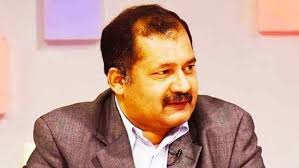
In the political landscape of Bangladesh, there are certain figures who have strengthened their positions not through loud rhetoric, but through efficiency, strategy, and close connections with the people. Zahir Uddin Swapan is one such politician who has demonstrated a unique blend of patience, intelligence, and organizational skill throughout his long political career. Known for his courteous demeanor, calm temperament, and articulate communication, he currently serves as the Minister of Information and Broadcasting of Bangladesh and has already gained significant attention for his administrative competence within a short period of time.
Within only a few months of assuming ministerial responsibilities, he has managed his ministry in a way that has generated more praise than criticism. However, this success did not emerge overnight. Years of political struggle, ideological commitment, organizational experience, and dedication to public service have shaped him into the leader he is today.
Zahir Uddin Swapan was born on June 29, 1960, in Sarikal village of Gournadi Upazila in Barishal. From an early age, he displayed remarkable intelligence and leadership qualities. After completing his secondary education at St. Joseph’s High School in Khulna, he studied at Government Brajalal College. During his college years, he became well known as a student leader and later earned a Master’s degree in Political Science from the University of Dhaka.
His interest in politics began during his student life. Initially, he was involved in left-wing student politics and was elected Central President of Bangladesh Chhatra Maitree. He played an important role in the anti-autocracy movement of the 1990s. Political analysts believe that this movement revealed his organizational capability and strategic leadership.
In 1993, he joined the Bangladesh Nationalist Party (BNP). Soon after joining the party, he emerged as one of its prominent figures. His communication skills, confident media presence, and political analytical abilities elevated him to the party’s policymaking circle. As the founding convener of the BNP Media Cell, he played a significant role in shaping the party’s communication and publicity strategies.
He also became recognized as a close political associate of BNP Chairperson Begum Khaleda Zia. Later, as a member of the BNP Advisory Council, he participated in important party decision-making processes. During opposition movements and political struggles, he frequently served as one of the party’s key spokespersons in the media.
One of the defining characteristics of Zahir Uddin Swapan’s political career is his measured, strategic, and calculated approach. He has never been known for impulsive decision-making. Even in politically challenging situations, he has remained calm and composed. Many observers believe this quality distinguishes him from many other politicians.
He was first elected as a Member of Parliament from the Barishal-1 constituency in the sixth parliamentary election in 1996. He was re-elected from the same constituency in the eighth parliamentary election in 2001. After a long political interval, he once again contested the 13th national parliamentary election in 2026 as a BNP candidate and secured a landslide victory. According to official results, he won by a huge margin with more than one hundred thousand votes.
This victory is considered not merely a political achievement, but also a reflection of the long-standing trust and relationship he has maintained with the people of his constituency. Among the residents of Gournadi and Agailjhara, he is known as an accessible and approachable leader. Despite his political responsibilities, he has consistently tried to remain beside people during both their joys and hardships.
According to local residents, he has never distanced himself from the people during times of crisis. Whether during illness, natural disasters, or social emergencies, he has often been seen standing alongside ordinary citizens. This commitment is widely regarded as one of the key reasons behind his popularity.
Throughout his long political journey, Zahir Uddin Swapan has faced numerous challenges, including party crises, political adversity, and personal criticism. Yet, according to his supporters, he has remained steadfast in his ideological beliefs. He is known for maintaining a polite, composed, and strategic attitude. Rather than responding aggressively to personal attacks, he has generally relied on political arguments and logic.
Following the formation of the BNP-led alliance government in 2026, he was appointed Minister of Information and Broadcasting. This decision was viewed as highly significant in political circles, particularly because of his long involvement in media relations, political communication, and strategic campaigning. Many considered him well suited for the ministry.
As minister, he has sought to bring dynamism and efficiency to administrative activities. He has emphasized transparency, accountability, and the use of modern technology within the information and broadcasting sector. Initiatives to make state-run media more effective and people-oriented have also reportedly been included in his plans.
Regarding press freedom and responsible journalism, he has attempted to maintain a balanced position. According to him, an independent media is one of the fundamental pillars of a democratic state. At the same time, he believes effective measures are necessary to prevent misinformation and the misuse of information.
Another important aspect of his political philosophy is his belief in participatory politics. He believes politics should not remain solely power-centric but should ensure direct public participation. He has also expressed positive views about involving younger generations in political activities.
Internationally, he has maintained an active presence as well. As a Member of Parliament, he represented Bangladesh twice at the United Nations General Assembly. He also served as Vice President for Asia of Parliamentarians for Global Action (PGA). In international forums, he voiced opinions on human rights, the rule of law, and expanding economic opportunities for developing countries.
Perhaps the most notable aspect of Zahir Uddin Swapan’s political life is his personality. In a political environment often characterized by conflict, tension, and harsh rhetoric, he is regarded as a comparatively calm and refined politician. Though strategic, he is not considered confrontational; rather, he believes in dialogue-based political culture.
Even his critics acknowledge that allegations of personal misconduct or abuse of power against him are relatively rare. Maintaining strong relationships with people and retaining acceptance among party activists over such a long political career is not an easy task, yet he has managed to do so successfully.
In the current political context, the Ministry of Information and Broadcasting is one of the most important ministries in Bangladesh. In an era shaped by digital technology, social media influence, and rapidly changing information flows, the ministry’s role has become even more critical. Consequently, Zahir Uddin Swapan also faces significant challenges.
Political observers believe that if he can successfully protect media freedom, modernize information technology systems, and establish a responsible communication framework, his tenure as minister may be remembered as a successful chapter. Some of his initiatives have already generated positive discussions within political circles.
Ultimately, Zahir Uddin Swapan’s political journey is a story of struggle, patience, and strategic leadership. Rising from student politics to the center of national politics, he has consolidated his position through organizational skill, communication strategy, and strong relationships with the people.
Today, he stands as a politician who is both a strategic party organizer and a people-oriented public representative. Only time will determine how successful his future political journey will be. However, under the current circumstances, it can certainly be said that Zahir Uddin Swapan has established himself as an influential and significant figure in the politics of Bangladesh.