

The BNP must move forward with the understanding that its defeat would not merely mean the defeat of a political party; it could also have implications for the future of democracy and the country’s multiparty political system. At the same time, the party must ensure proper recognition of its tested, dedicated and principled leaders and activists. Those who have remained on the streets and kept the party organised and active through years of political movements and struggles have made significant contributions. Ignoring their sacrifices could weaken the party organisationally.
The BNP’s position in the politics of Dhaka is particularly important. Any organisational setback for the party in the capital could have an impact on its political strength across the country. Strengthening and consolidating the party’s organisational base in Dhaka is therefore a matter of urgency. The party leadership must recognise that maintaining a strong presence in the capital is essential for sustaining long-term political success at the national level.
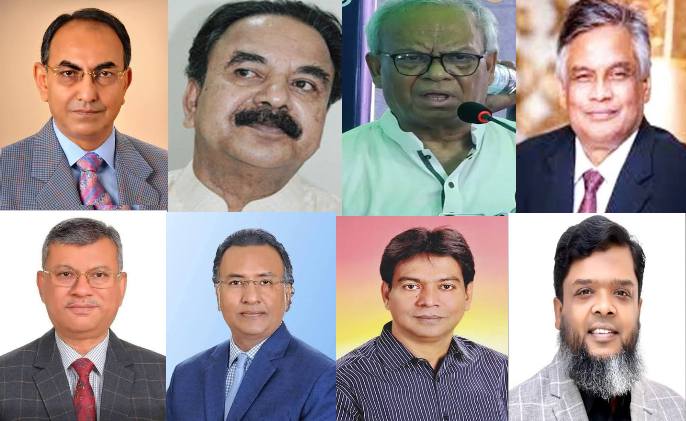
Over the past 17 years of political movements and struggles, a number of senior and grassroots leaders have played important roles in keeping the BNP active on the streets of Dhaka. Among them are Mirza Abbas, Goyeshwar Chandra Roy, Ruhul Kabir Rizvi, Amanullah Aman, Shamsuzzaman Dudu, Nazim Uddin Alam, Khairul Kabir Khokon, Habib-un-Nabi Khan Sohel, Saiful Alam Nirob and Tanvir Ahmed Robin, along with more than a hundred other leaders and activists. Many of them have remained actively involved in party programmes and political movements despite facing various challenges and adversities. Their experience, organisational skills and sacrifices deserve proper recognition.
If such tested leaders are sidelined in the coming days because of organisational neglect, internal conflicts or any other reason, it could have serious consequences for the BNP’s political and organisational activities in Dhaka. Such developments could not only weaken the party’s organisational structure but also create frustration among grassroots leaders and activists. Therefore, the party should assess and recognise its leaders and activists on the basis of their ability, dedication, political commitment and contribution to the organisation.
At the same time, the BNP should place greater emphasis on recruiting new members and activists. Educated and talented young people, in particular, should be encouraged to become involved in politics and given opportunities to develop their leadership skills. They should receive appropriate political and organisational training so that they can work effectively for the country and its people. A strong political organisation cannot depend solely on its established leadership; it must also create opportunities for a new generation of leaders.
However, the process of recruiting new members must be handled carefully. Bringing undisciplined, extortionist, corrupt or politically unprincipled individuals into the organisation could damage the party’s image and organisational strength. Membership drives should therefore prioritise integrity, competence, political commitment and connection with the people. The BNP needs to take effective steps now to build itself into a disciplined, responsible and people-oriented political organisation.
The party should also use the present opportunity to strengthen internal unity, recognise its tested leaders and activists, and address the employment concerns of educated unemployed young people. There are allegations that some young people with political affiliations to the BNP have faced difficulties in obtaining employment because of their political background. The party could investigate such cases, gather accurate information and explore realistic measures to help qualified individuals develop their careers and livelihoods. Creating opportunities for employment and skills development would not only benefit young people and their families but could also strengthen their confidence in the party.
The BNP must also give the highest priority to the problems faced by ordinary citizens. Issues such as electricity and gas shortages, rising prices, unemployment and other challenges affecting daily life remain major concerns for the public. The party needs to take effective initiatives to address these issues and maintain a responsive and accountable relationship with the people.
Ultimately, the BNP’s greatest challenge is to build a united, disciplined and people-oriented political organisation. Giving proper recognition to tested leaders and activists, developing competent new leadership, ensuring transparency in membership recruitment and taking effective steps to address public concerns should be among the party’s key priorities.
If these issues are addressed with sincerity and discipline, the BNP can strengthen its organisational foundation not only in Dhaka but across the country. The trust and confidence of the people remain the greatest strength of any political organisation. Maintaining that trust requires unity, discipline, political principles and a sustained commitment to public welfare.