

The death of Begum Khaleda Zia, Chairperson of the Bangladesh Nationalist Party (BNP) and three-time former Prime Minister, has created a profound void in the political history of the nation. A deep sense of grief descended across the country as the curtain fell on a remarkable political career spanning more than five decades. With her passing, she remains etched in history as an inseparable chapter of Bangladesh’s political narrative.
Following her demise, condolence books were opened, where numerous national and international dignitaries paid tribute by signing messages of sympathy. Among them were the British High Commissioner to Dhaka, Sarah Cooke; Home Affairs Adviser Major General (Retd.) Jahangir Alam Chowdhury; and ambassadors and representatives from Denmark, Japan, Saudi Arabia, Russia, Myanmar, Malaysia, the United Nations, the European Union, UNDP, and representatives of at least fifteen countries and international organizations.
From the capital to the remotest corners of the country, a single phrase resonated on people’s lips: the end of an era.
A Sea of Mourners at the Janaza
Tears, prayers, and profound respect merged into an extraordinary display of collective humanity as millions gathered to bid farewell. The janaza was held at the South Plaza of the National Parliament Building in Dhaka, where a massive crowd assembled to pay their final respects.
Led by the Khatib of the National Mosque, the funeral prayer drew mourners from all directions. Human streams stretched through Mohakhali, Bangla Motor, Mirpur Road, Kalabagan, and up to Asad Gate. Political leaders, diplomats, professionals, laborers, and ordinary citizens stood shoulder to shoulder in solemn silence. Held with full state honors, the janaza turned into a silent mass gathering, as the weight of grief and memory brought the entire area to a standstill.
Final Resting Place and Farewell
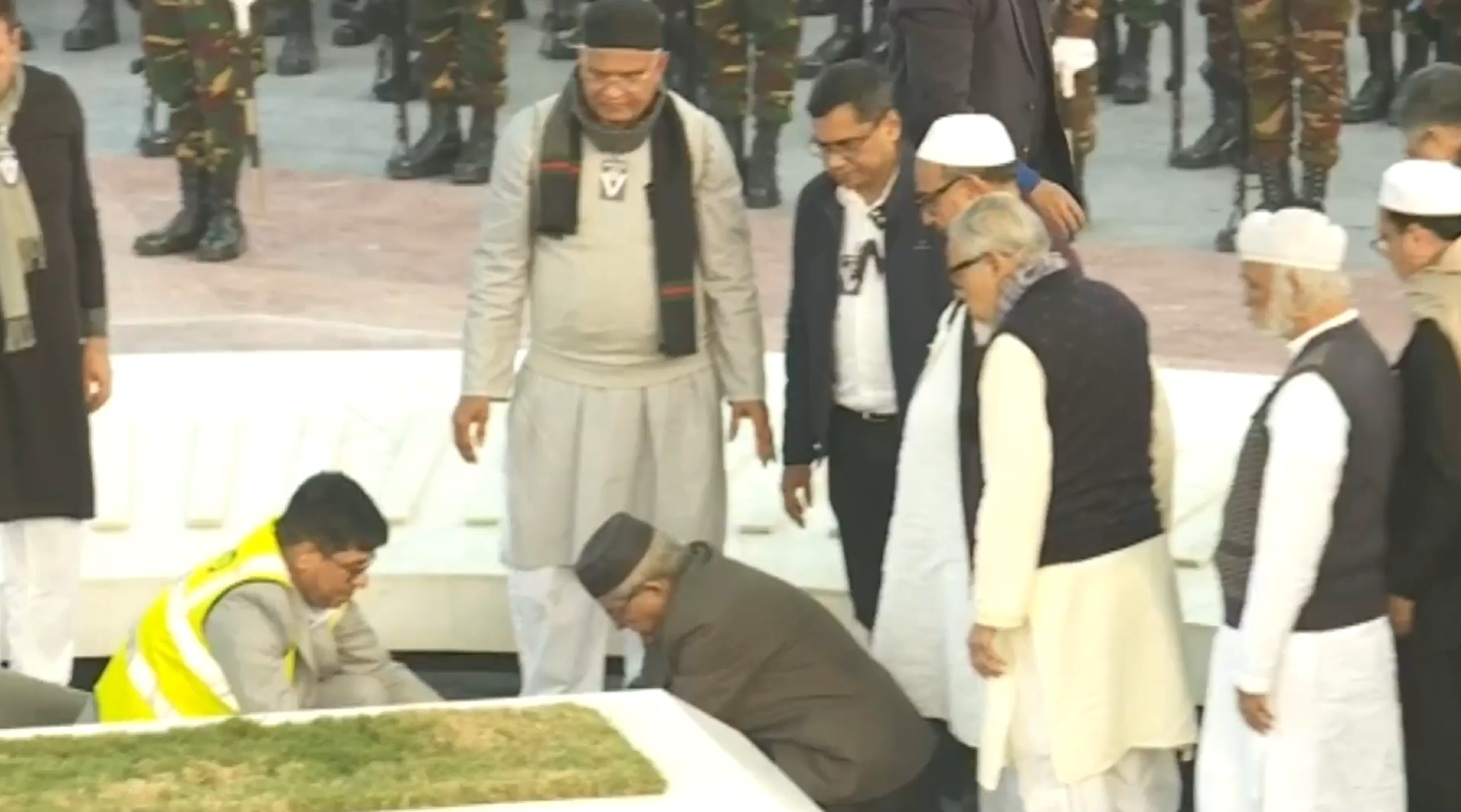
In accordance with the family’s decision, Begum Khaleda Zia was laid to rest beside the grave of Shaheed President Ziaur Rahman. Many were unable to contain their emotions during the burial. Setting aside political differences, the nation appeared united in paying homage to a long and defining chapter of its history.
Birth and Family Roots
Begum Khaleda Zia was born on August 15, 1946, in Dinajpur district. She was the daughter of Iskandar Majumder and Taiba Majumder and grew up in a disciplined and well-ordered family environment. From an early age, she displayed dignity and determination—qualities that later became hallmarks of her political life.
Education and Early Life
She completed her secondary education at Dinajpur Government Girls’ High School and later pursued higher studies at Surendranath College in Dhaka. Politics had not yet entered her life, but discipline, restraint, and quiet self-confidence were shaping her future.
Marriage to Ziaur Rahman
In 1960, she married then army officer Ziaur Rahman. This partnership eventually brought her to the center of national and political life. During the turbulent post-independence years, she remained a silent supporter and keen observer as the spouse of a military officer.
From Grief to Strength
The assassination of President Ziaur Rahman in 1981 marked a decisive turning point in her life. Transforming personal grief into political resolve, she stepped into the challenging arena of national politics—an evolution that proved historically significant.
Entry into Politics
In 1982, she formally joined the BNP as a general member. Within a short span of time, her leadership qualities and organizational skills revitalized the party and elevated her to prominence.
Chairperson of the BNP
She was elected Chairperson of the BNP in 1984. In a male-dominated political landscape, her rise to leadership was both courageous and groundbreaking.
The Anti-Ershad Movement
Begum Khaleda Zia played a leading role in the movement to restore democracy against military ruler Hussain Muhammad Ershad. Her contribution to the formation of the seven-party alliance was historic and ultimately paved the way for the fall of authoritarian rule.
The ‘Uncompromising Leader’
Repeated arrests, repression, and political pressure failed to weaken her stance, earning her the title of the “Uncompromising Leader.” While this reputation strengthened her popularity among supporters, it also made her a controversial figure.
Student Politics and Mass Movements
By organizing the Jatiyatabadi Chhatra Dal, she injected renewed momentum into mass movements. The role of students under her leadership proved decisive in the struggle against autocracy.
First Female Prime Minister
In the 1991 general election, Khaleda Zia emerged victorious to become the first female Prime Minister of Bangladesh. Under her leadership, parliamentary democracy was restored—marking a milestone in the country’s political history.
Achievements of the First Term
During her first term, notable progress was achieved in economic growth, employment generation, and the expansion of the readymade garments sector. Her government also played a significant role in rebuilding democratic institutions.
Role on the International Stage
At the United Nations and other international forums, she spoke firmly on behalf of Bangladesh, particularly on issues such as the sharing of Ganges water and the Rohingya crisis.
Resignation and Opposition Politics
In 1996, she stepped down from the office of Prime Minister to help resolve a political crisis, setting a rare precedent. She later remained actively engaged in opposition politics.
Return to Power with the Four-Party Alliance
Leading the four-party alliance, she returned to power for a third term following the 2001 general election. This period became one of the most discussed and debated phases of her political career.
Women’s Education and Empowerment
Her contributions to women’s education, stipend programs, and social safety initiatives received international recognition and praise.
Transfer of Power and Imprisonment
After peacefully handing over power in 2006, she was imprisoned amid allegations of political vendetta—claims repeatedly raised by her party over the years.
Illness and Struggle for Medical Treatment
Her health deteriorated during incarceration. The prolonged denial of permission to seek medical treatment abroad marked one of the most tragic chapters of her life.
An Unbeaten Electoral Record
By contesting from multiple constituencies in national parliamentary elections and never facing defeat, she achieved a rare and exceptional political record.
Farewell and Place in History
Although Begum Khaleda Zia has (fictionally) departed from this world, her political legacy, struggles, and controversies will continue to be debated for generations. To both admirers and critics alike, she remains an unavoidable figure in Bangladesh’s political landscape—her life deeply intertwined with the nation’s democratic rise and fall.