

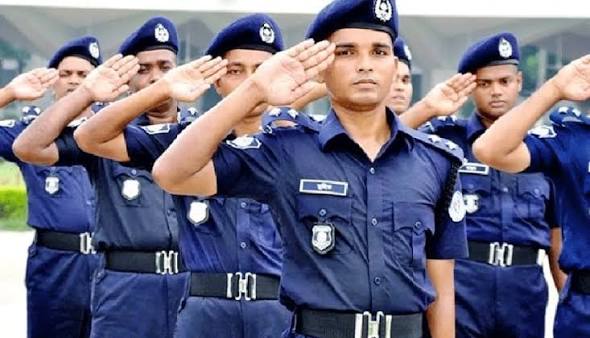
A growing climate of distrust, suspicion, and uncertainty among police personnel has reached an alarming level within the Bangladesh Police, according to several serving and retired officers. They claim that whenever transfer, posting, or promotion processes begin, organized groups become active on social media—particularly Facebook—to spread misinformation and exert psychological pressure on fellow officers.
According to those interviewed, the consequences extend beyond the personal and professional lives of individual officers, negatively affecting crime prevention, criminal investigations, operational decision-making, and the overall effectiveness of the police force.
The findings are based on interviews conducted over the past month with more than 50 serving and retired police officers. Due to concerns about legal and professional repercussions, most requested anonymity.
Growing Internal Division
A former Inspector General of Police (IGP) said that internal divisions within the force have become more visible following the country's recent political transition. According to him, one section of officers is viewed with suspicion, while another group is allegedly benefiting from perceived political affiliations by receiving key assignments. This, he said, has weakened leadership, coordination, and institutional accountability.
He also noted that the recent Police Week failed to deliver a clear message capable of restoring officers' confidence in carrying out their duties.
The former police chief observed that many officers have previously faced legal complications after carrying out orders from their superiors. As a result, uncertainty about whether they may face similar consequences in the future has created widespread anxiety among officers serving in the field. He warned that unless police personnel are assured of institutional and legal protection under an elected government, ensuring public safety will remain difficult.
He further stated that while officers such as Officers-in-Charge (OCs), Sub-Inspectors (SIs), and constables perform frontline policing, they operate under the supervision of Assistant Superintendents of Police (ASPs) and Superintendents of Police (SPs). However, there remains no clear policy guaranteeing legal or administrative protection for officers if mistakes occur during operations.
Facebook Smear Campaigns Target Transfers and Promotions
Multiple sources at Police Headquarters alleged that whenever an officer is considered for transfer or promotion, an organized group prepares dossiers containing exaggerated or fabricated claims regarding the officer's past political activities. These documents are reportedly sent to activists living abroad, who then disseminate the information through Facebook pages and other social media platforms.
According to the allegations, the objective is to create public controversy and psychological pressure in order to obstruct transfers, postings, or promotions.
Sources also claimed that confidential administrative information is increasingly being leaked before official decisions are announced. Details regarding transfers, the progress of promotion files, or previous internal investigations are allegedly being passed from within the force to outside actors.
A senior police official, speaking anonymously, said:
"Previously, officers feared administrative accountability. Now they fear Facebook. Many hesitate to perform even routine duties because they worry about who might orchestrate a social media campaign against them or leak confidential information. This has reduced officers' willingness to make firm and professional decisions."
He added that although many officers have an idea who is behind these campaigns, few are willing to speak publicly because any accusation could be followed by online harassment or the publication of false allegations.
Crisis of Trust and Discipline
A retired Additional Inspector General of Police (Additional IGP) said that any disciplined force depends on mutual trust, professionalism, and respect for the chain of command. If colleagues begin using Facebook as a tool for intimidation or blackmail against one another, he warned, the moral foundation of the institution is seriously undermined.
He recommended strengthening the Police Headquarters' Information Technology and Cyber Crime units to identify those responsible for leaking confidential information. He also emphasized that transfers, postings, and promotions should never be altered solely on the basis of anonymous complaints or Facebook posts. Instead, administrative decisions should be based on merit, integrity, and professional competence.
Negative Impact on Crime Control
Police officials believe that fear generated by social media campaigns is increasingly affecting frontline policing.
According to several officers, the existence of competing factions within the force has created uncertainty over decision-making. Many officers reportedly hesitate to conduct high-risk operations because they fear becoming targets of online smear campaigns afterward.
They say this has slowed anti-narcotics operations, investigations into sensitive criminal cases, and intelligence coordination.
Additional IGP Md. Mainul Hasan, Chief of the Tourist Police, acknowledged that Police Headquarters has initiated measures to address these challenges and that the Tourist Police has also introduced preventive initiatives.
He noted that misinformation and online smear campaigns are harmful not only to police officers but also to journalists and professionals in other sectors.
Political Labeling Deepens Polarization
Several Superintendents of Police (SPs) stated that, in the past, some officers were labeled as being sympathetic to the BNP-Jamaat alliance. More recently, however, others have reportedly been branded as "associates of the fascist regime."
According to them, officers are increasingly being judged not on their professional performance but on narratives promoted through social media.
Meanwhile, Home Affairs Adviser Salahuddin Ahmed recently told Parliament that the country's law and order situation has improved compared to the previous 10 to 15 years and that public confidence in the police has increased. However, several independent studies and observations have presented a more mixed assessment of the current security situation.
Syndicates Influencing Administrative Decisions
Officers from different ranks alleged that following the political transition, influential groups emerged to influence appointments to key police positions.
After the subsequent national parliamentary election, they claim that new factions attempted to shape administrative decisions. Whenever appointments or promotions were made contrary to their interests, coordinated campaigns allegedly appeared on Facebook accounts, pages, and online platforms targeting the officers concerned.
Recommendations for Reform
Security analyst Major (Retd.) Del H. Khan said that Bangladesh Police has long faced structural challenges in recruitment, training, transfers, and promotions. However, he believes that the current crisis has been intensified by politically driven evaluations and declining professionalism.
He argued that the government should publicly declare that no police officer will receive advantages based on political affiliation and that transfers and promotions will not be influenced by political recommendations.
Professor Md. Rezaul Karim Sohag, Chairman of the Department of Criminology at the University of Dhaka, said that the police force is experiencing a serious credibility crisis following recent political changes.
According to him, restoring public confidence requires more than criticizing the police; it demands meaningful institutional reforms by the government. Rather than blaming all officers collectively, he said, authorities should identify and take action against individuals responsible for lobbying, spreading misinformation, and creating internal divisions.
He concluded that professionalism, transparency, accountability, and an administrative system free from political influence are essential to rebuilding trust and discipline within the Bangladesh Police.
According to those interviewed, the consequences extend beyond the personal and professional lives of individual officers, negatively affecting crime prevention, criminal investigations, operational decision-making, and the overall effectiveness of the police force.
The findings are based on interviews conducted over the past month with more than 50 serving and retired police officers. Due to concerns about legal and professional repercussions, most requested anonymity.
Growing Internal Division
A former Inspector General of Police (IGP) said that internal divisions within the force have become more visible following the country's recent political transition. According to him, one section of officers is viewed with suspicion, while another group is allegedly benefiting from perceived political affiliations by receiving key assignments. This, he said, has weakened leadership, coordination, and institutional accountability.
He also noted that the recent Police Week failed to deliver a clear message capable of restoring officers' confidence in carrying out their duties.
The former police chief observed that many officers have previously faced legal complications after carrying out orders from their superiors. As a result, uncertainty about whether they may face similar consequences in the future has created widespread anxiety among officers serving in the field. He warned that unless police personnel are assured of institutional and legal protection under an elected government, ensuring public safety will remain difficult.
He further stated that while officers such as Officers-in-Charge (OCs), Sub-Inspectors (SIs), and constables perform frontline policing, they operate under the supervision of Assistant Superintendents of Police (ASPs) and Superintendents of Police (SPs). However, there remains no clear policy guaranteeing legal or administrative protection for officers if mistakes occur during operations.
Facebook Smear Campaigns Target Transfers and Promotions
Multiple sources at Police Headquarters alleged that whenever an officer is considered for transfer or promotion, an organized group prepares dossiers containing exaggerated or fabricated claims regarding the officer's past political activities. These documents are reportedly sent to activists living abroad, who then disseminate the information through Facebook pages and other social media platforms.
According to the allegations, the objective is to create public controversy and psychological pressure in order to obstruct transfers, postings, or promotions.
Sources also claimed that confidential administrative information is increasingly being leaked before official decisions are announced. Details regarding transfers, the progress of promotion files, or previous internal investigations are allegedly being passed from within the force to outside actors.
A senior police official, speaking anonymously, said:
"Previously, officers feared administrative accountability. Now they fear Facebook. Many hesitate to perform even routine duties because they worry about who might orchestrate a social media campaign against them or leak confidential information. This has reduced officers' willingness to make firm and professional decisions."
He added that although many officers have an idea who is behind these campaigns, few are willing to speak publicly because any accusation could be followed by online harassment or the publication of false allegations.
Crisis of Trust and Discipline
A retired Additional Inspector General of Police (Additional IGP) said that any disciplined force depends on mutual trust, professionalism, and respect for the chain of command. If colleagues begin using Facebook as a tool for intimidation or blackmail against one another, he warned, the moral foundation of the institution is seriously undermined.
He recommended strengthening the Police Headquarters' Information Technology and Cyber Crime units to identify those responsible for leaking confidential information. He also emphasized that transfers, postings, and promotions should never be altered solely on the basis of anonymous complaints or Facebook posts. Instead, administrative decisions should be based on merit, integrity, and professional competence.
Negative Impact on Crime Control
Police officials believe that fear generated by social media campaigns is increasingly affecting frontline policing.
According to several officers, the existence of competing factions within the force has created uncertainty over decision-making. Many officers reportedly hesitate to conduct high-risk operations because they fear becoming targets of online smear campaigns afterward.
They say this has slowed anti-narcotics operations, investigations into sensitive criminal cases, and intelligence coordination.
Additional IGP Md. Mainul Hasan, Chief of the Tourist Police, acknowledged that Police Headquarters has initiated measures to address these challenges and that the Tourist Police has also introduced preventive initiatives.
He noted that misinformation and online smear campaigns are harmful not only to police officers but also to journalists and professionals in other sectors.
Political Labeling Deepens Polarization
Several Superintendents of Police (SPs) stated that, in the past, some officers were labeled as being sympathetic to the BNP-Jamaat alliance. More recently, however, others have reportedly been branded as "associates of the fascist regime."
According to them, officers are increasingly being judged not on their professional performance but on narratives promoted through social media.
Meanwhile, Home Affairs Adviser Salahuddin Ahmed recently told Parliament that the country's law and order situation has improved compared to the previous 10 to 15 years and that public confidence in the police has increased. However, several independent studies and observations have presented a more mixed assessment of the current security situation.
Syndicates Influencing Administrative Decisions
Officers from different ranks alleged that following the political transition, influential groups emerged to influence appointments to key police positions.
After the subsequent national parliamentary election, they claim that new factions attempted to shape administrative decisions. Whenever appointments or promotions were made contrary to their interests, coordinated campaigns allegedly appeared on Facebook accounts, pages, and online platforms targeting the officers concerned.
Recommendations for Reform
Security analyst Major (Retd.) Del H. Khan said that Bangladesh Police has long faced structural challenges in recruitment, training, transfers, and promotions. However, he believes that the current crisis has been intensified by politically driven evaluations and declining professionalism.
He argued that the government should publicly declare that no police officer will receive advantages based on political affiliation and that transfers and promotions will not be influenced by political recommendations.
Professor Md. Rezaul Karim Sohag, Chairman of the Department of Criminology at the University of Dhaka, said that the police force is experiencing a serious credibility crisis following recent political changes.
According to him, restoring public confidence requires more than criticizing the police; it demands meaningful institutional reforms by the government. Rather than blaming all officers collectively, he said, authorities should identify and take action against individuals responsible for lobbying, spreading misinformation, and creating internal divisions.
He concluded that professionalism, transparency, accountability, and an administrative system free from political influence are essential to rebuilding trust and discipline within the Bangladesh Police.