

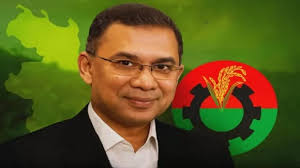
In the current political landscape of Bangladesh, one of the most prominent and widely discussed figures is Tarique Rahman. Since assuming the office of Prime Minister, he has been working tirelessly to govern the country and improve the lives of its people—an assessment shared by a significant segment of his supporters and political observers. His dedication, work ethic, and patriotism have become key talking points in public discourse.
In navigating the complex and multifaceted challenges of state governance, Rahman has demonstrated a level of sincerity and perseverance that many view as a reflection of a new style of leadership. Under his direction, his team has been working in a coordinated manner to ensure national development and stability. Observers note increased administrative activity and a visible push toward more effective governance across different sectors.
A central element of Rahman’s political philosophy is his deep sense of patriotism and responsibility toward the people. According to his supporters, his love for the country and commitment to public welfare are unparalleled. He continues to strive relentlessly to earn the trust of the জনগণ and to ensure their well-being. Much of his time is devoted to fulfilling state responsibilities, and whatever time remains is, as his close associates suggest, dedicated to advancing public development.
As a statesman, Rahman is often perceived as possessing a distinctive personal and leadership style. He appears to move beyond the rigid barriers of protocol, making efforts to connect directly with ordinary citizens. In environments free from pretense and artificiality, he is said to find his true self—engaging with people’s everyday experiences, their joys and struggles. This ability to relate to the জনগণ has helped set him apart from many of his contemporaries.
His personal lifestyle also reflects simplicity and modesty. Despite occupying the highest office in the state, he does not appear inclined toward extravagance or display. His attire and personal habits remain understated, reinforcing an image of humility. Many believe this trait is rooted in his family legacy, particularly influenced by the ideals of his father, Ziaur Rahman, whose values continue to shape his outlook and conduct.
Through his leadership, Rahman has conveyed an important message: it is not power, but responsibility that elevates an individual. His actions, as perceived by his followers, consistently reflect discipline, restraint, and a deep sense of accountability to the people. Rather than relying on grandeur or symbolic displays, he seeks to establish leadership through conduct, ethics, and performance.
Another notable aspect of his personality is his measured and restrained communication style. He tends to speak less, but when he does, his words carry clarity and conviction. Many believe that within his quiet demeanor lies a powerful presence—one that instills confidence, inspires hope, and encourages people to envision a better future.
Rahman’s approach to public engagement is also widely discussed. He is known to interact directly with citizens, listen to their concerns, and attempt immediate responses or solutions. This approach has contributed to building a sense of closeness and trust among the people. Analysts suggest that such leadership plays a crucial role in narrowing the gap between the government and the জনগণ.
At the same time, there are ongoing discussions about his emphasis on transparency and accountability in governance. Efforts to combat corruption, promote good governance, and accelerate development initiatives have reportedly gained momentum under his leadership. While opinions differ among analysts regarding the long-term effectiveness of these initiatives, many acknowledge his efforts as a positive step forward.
Observers also point to signs of change in the country’s political culture under his leadership. There appears to be a growing emphasis on teamwork and participatory decision-making, rather than purely personality-driven politics. This shift could potentially foster a more inclusive and effective political environment in the future.
Overall, Tarique Rahman is increasingly being viewed as a distinctive leader—one who seeks to establish himself through simplicity, responsibility, and genuine connection with the people. The long-term impact of his leadership will ultimately depend on implementation, outcomes, and the extent to which he can meet public expectations.
What remains clear, however, is his effort to position himself not merely as a ruler, but as a responsible guardian of the nation. His focus on public engagement, sensitivity to people’s realities, and commitment to development form the foundation of his leadership.
In this context, Tarique Rahman represents more than just a political figure; he embodies an evolving process in which the definition of leadership is being reinterpreted. Whether this journey achieves lasting success will be determined over time. Yet, his vision and efforts have already placed him at the center of national discussion, potentially marking the beginning of a new chapter in Bangladesh’s political history.