

The politics of Bangladesh has developed through decades of movements, struggles, and ideological battles. Within this political landscape, there have been strong demands for democracy, as well as differences of opinion and intense political rivalry. However, in recent times, a concerning trend has become increasingly visible—political disagreements are crossing their limits and turning into personal insults, character assassination, and cyberbullying. This is not only harmful to a particular party or individual; it also poses a serious threat to the overall political environment and social decency.
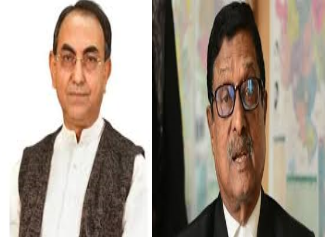
According to many political analysts, protecting the dignity of senior political leaders is an essential part of a healthy political culture. Leaders who have been shaped by years of struggle, sacrifice, and experience are not only assets to their respective parties but also part of the nation’s political history. A frequently mentioned example is the veteran politician Mirza Abbas. Many analysts believe that losing an experienced leader like him would be a significant loss not just for the individual but for the party as a whole.
Similarly, veteran political figure Fazlur Rahman has also been at the center of controversies and allegations of disrespectful behavior at different times. In some instances, protests have reportedly been organized in front of his residence, and there have been accusations that his name has been distorted and used in derogatory ways on social media. Many religious and social commentators remind us that, according to Islamic ethical principles, calling someone by a distorted name or insulting them is a serious moral offense. When such behavior is seen even among those who speak about religious teachings and moral values, it sends the wrong message to society.
Differences of opinion are natural in politics. However, when those differences escalate into personal humiliation, they become harmful to democratic culture. Even within a political party, disagreements may exist, but instead of suppressing dissenting views, resolving them through dialogue and discussion should be the primary objective of democratic practice.
Some political observers claim that in the past, situations have arisen where a senior leader was publicly humiliated but did not receive strong support from within the party. Instead, the individual was reportedly subjected to organizational accountability measures. Such incidents raise many questions among political activists, as the strength of politics lies in party unity, mutual trust, and respect for leadership.
In addition, the spread of allegations and misinformation on social media has increased in recent times. In some cases, certain leaders have reportedly been labeled as extortionists or gangsters without evidence. This is an extremely dangerous trend for political culture, as portraying someone as a criminal without proof not only harms the reputation of the individual and their family but also creates confusion within society.
According to political analysts, in order to stop such propaganda and cyberbullying, political parties themselves must take the initiative first. If party leaders and activists maintain respectful behavior and guide their supporters to do the same, the environment on social media can become much more positive.
The use of language in politics is also extremely important. Recently, there have been criticisms regarding the use of indecent or offensive language directed at political leaders in certain statements. Such remarks do not only hurt individuals; they also damage political culture. In a democratic society, strong criticism is acceptable, but ensuring that criticism does not cross the boundaries of decency is the responsibility of all political parties.
At the same time, it is equally important to honor those who have sacrificed their lives or made significant contributions in various movements and struggles. In different student movements and political struggles across the country, many young leaders have lost their lives. Remembering them and highlighting their contributions is a moral responsibility of political organizations.
Many believe that the contributions of those who have led movements and struggles from the front should never be underestimated. Political history is built through the sacrifices of countless known and unknown activists and leaders. Those who have spent years struggling on the streets, facing imprisonment or enduring persecution, are the ones who ultimately strengthen political organizations.
In the political history of Bangladesh, we have seen many leaders who fought not for personal positions or power, but for their ideals. Even while remaining outside the structures of power, they continued to work for their parties. Such dedication and sacrifice serve as a powerful source of inspiration in politics.
To build a healthy political culture, it is essential for political parties to establish mutual respect, tolerance, and ethical values among themselves. At the same time, developing a culture of self-criticism within parties is also important. Acknowledging mistakes and taking steps to correct them is a sign of a strong organization.
The primary goal of politics should be the welfare of the people and the development of the country. To achieve this goal, mutual respect among leaders, a willingness to engage in dialogue, and ethical conduct are essential. If propaganda, personal attacks, and cyberbullying become part of political culture, it will ultimately be harmful to democracy in the long run.
In conclusion, differences of opinion, debates, and criticism will always exist in politics—but they must be accompanied by decency and humanity. Respecting senior leaders, valuing those who have made sacrifices, and maintaining at least a minimum level of respect even toward political opponents are issues on which a national consensus should be built.
Because a civilized political culture is not only important for political parties, but also for the future of the entire nation.