

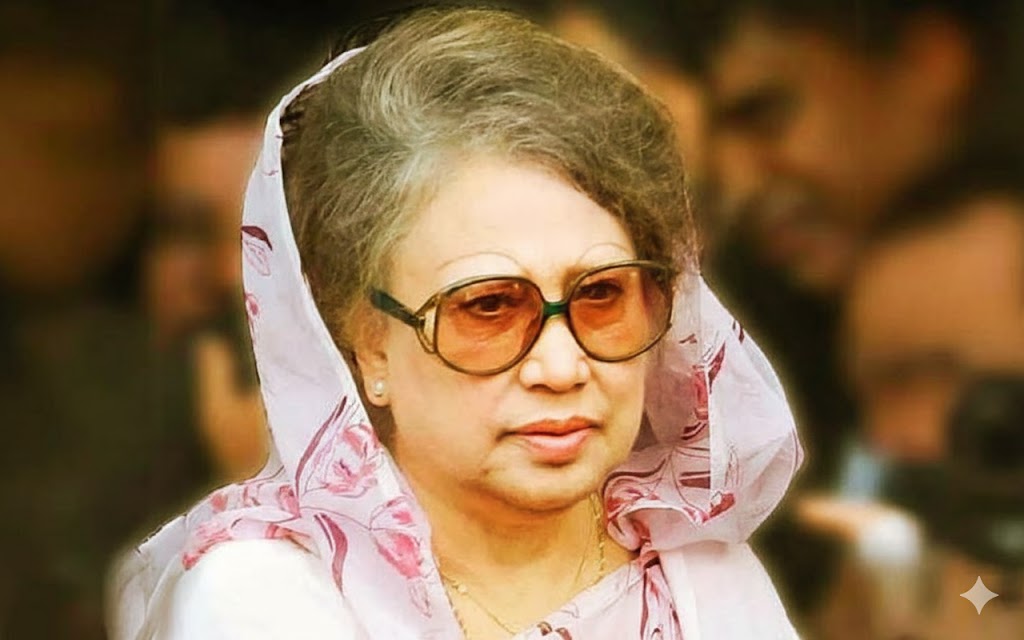
The deteriorating health condition of BNP Chairperson and former Prime Minister Begum Khaleda Zia has stirred significant concern not only within her party but across the broader political landscape of Bangladesh. Her prolonged hospitalization, multiple health complications, and the growing need for advanced medical intervention have heightened anxiety among BNP leaders, alliance partners, and the general public. As the nation approaches the sensitive period before the 13th National Parliamentary Election, Khaleda Zia’s illness has become a central topic of political discussion.
Rising Concern at Home and Abroad
Khaleda Zia’s critical condition has drawn attention beyond Bangladesh’s borders. According to party and diplomatic sources, heads of state, government leaders, prominent political figures, and human rights advocates—including those from India—have conveyed messages wishing her a speedy recovery. Analysts note that such international reactions underline Khaleda Zia’s longstanding political significance and highlight how her condition has added a new dimension to global interest in Bangladesh’s political developments.
Deep Anxiety Within BNP
BNP leaders at both central and grassroots levels are visibly distressed. Party sources report that large numbers of leaders and activists visit the hospital daily to gather updates, while members of affiliated organizations remain in close contact with the medical team. Senior BNP leaders fear that at such a politically sensitive moment, their party chief’s health crisis could introduce greater uncertainty into the national political environment.
Leaders from allied and like-minded political coalitions have also expressed concern, emphasizing Khaleda Zia’s pivotal role in maintaining balance within the opposition political sphere. They warn that a prolonged health crisis—or any sudden deterioration—could destabilize the structure of opposition politics.
Talk of Tarique Rahman’s Return Gains Momentum
Khaleda Zia’s illness has revived widespread discussion regarding the Zia family and the possible return of her son, BNP Acting Chairman Tarique Rahman. Political circles, social groups, and sections of the general public are increasingly speculating about his potential return to Bangladesh—a development many believe could add a new dimension to the evolving political situation.
Public Sympathy and Emotional Reaction
Beyond political affiliations, public sympathy for Khaleda Zia has grown rapidly. Prayers, milad gatherings, and special religious observances are being held across numerous districts seeking her recovery. For many people, Khaleda Zia has long been seen as an experienced national leader—sometimes referred to as a political guardian figure. Observers say many citizens fear that her passing or prolonged incapacity could leave a vacuum in the country’s political guidance, potentially fueling broader instability.
Enhanced Medical Measures
Significant adjustments have reportedly been made to her medical care. A special monitoring team has been formed inside the hospital to track her condition round-the-clock. Foreign medical specialists are also being consulted. A team of Chinese experts has already met with local physicians, and several specialist doctors from London are expected to arrive shortly. According to medical and political analysts, this involvement of international experts highlights the seriousness of her condition.
Government Also Watchful
Although the government has not publicly issued strong statements regarding Khaleda Zia’s treatment, political observers claim that government circles are also concerned. Her worsening condition could complicate the national political environment and potentially affect the election timeline. Analysts warn that if her health deteriorates further, the impacts could reach beyond BNP—possibly influencing political stability, electoral preparations, and overall social conditions.
New Questions About the Upcoming Election
Political experts believe that Khaleda Zia’s illness could affect not only BNP’s internal dynamics but also the broader political framework of the country. Her leadership—both symbolic and operational—remains crucial for the party’s cohesion and decision-making process. Some analysts suggest that her absence or prolonged incapacity may raise new doubts about whether the upcoming national election can proceed as planned.