

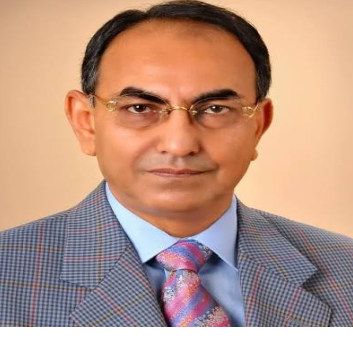
A familiar face, a simple smile, and a warm, down-to-earth way of speaking openly with party workers—this is Mirza Abbas. After a prolonged period of medical treatment abroad, his return to Bangladesh appears to have breathed new life into BNP politics in Dhaka.Political gatherings that had seemed as quiet as the fading smoke from a cup of tea have once again become lively. In some places, preparations are underway for rallies; in others, supporters are presenting bouquets. At tea stalls across the city, informal roundtable discussions have also emerged, with “Abbas is back” becoming a popular topic of conversation.
After spending an extended period abroad for medical treatment, Mirza Abbas’s return has been welcomed by party leaders and activists as the beginning of renewed enthusiasm, energy and political momentum. To his supporters, his arrival has brought a new sense of optimism to Dhaka’s political landscape—like the first rays of a new sun after a long night.
The emotional response among party workers following their leader’s return has also been striking. Some struggled to hold back tears, while others embraced him with the emotion of people welcoming a long-lost family member home. Smiles and tears appeared side by side, creating a scene so emotional that one might jokingly suggest the country’s weather authorities introduce a new “emotional index” to measure the political atmosphere in Dhaka.
From Khilgaon and Sabujbagh to Paltan and Banasree, from Shantinagar and Gulistan to Shahbagh and Elephant Road, and across areas including Moghbazar, Malibagh, Badda, Mouchak and Rampura, conversations about Mirza Abbas have reportedly spread through neighbourhoods, alleyways and tea stalls.
In some places, people are discussing his political significance; elsewhere, they are expressing relief over his recovery and return. Others are already speculating about what his comeback could mean for the future of politics in the capital. At some tea stalls, the discussions have become so animated that the tea is reportedly getting cold before the conversations come to an end.
The discussion is not limited to political activists. From political leaders to ordinary citizens—including slum residents, rickshaw pullers, shopkeepers and regular tea-stall patrons—many are talking about Mirza Abbas.
Some supporters say, “Now that the leader is back, politics will regain momentum.” Others, with a touch of humour, describe his return by saying, “Dhaka’s political battery has been recharged.”
His return has also brought relief to his family members, relatives, well-wishers and party supporters after his long battle with illness. For those close to him, seeing him return home in better health has been a source of joy, with political emotions adding another dimension to the celebrations.
The atmosphere created in different parts of the capital around his return has taken on the character of a political gathering, marked by enthusiasm and a sense of reunion. After a long wait, supporters have once again had the opportunity to see their leader up close, demonstrating that personal leadership and emotional bonds remain powerful forces in Bangladesh’s political culture.
Ultimately, Mirza Abbas’s return is more than simply the homecoming of a political leader. To his supporters, it represents the joy of seeing a familiar and beloved figure return to his people after a long absence.
Whether his return will truly usher in a new political chapter in Dhaka remains to be seen. Time will provide the answer. For now, however, one thing is clear: Mirza Abbas is back—and with him, political conversations appear to have returned to the tea cups and alleyways of Dhaka.