

Questions are growing among grassroots activists of the Bangladesh Nationalist Party (BNP) over why many leaders who endured years of street protests, arrests, harassment and political repression during the party’s difficult years are now being left out of key organisational and state positions.
At the same time, the appointment of several individuals who were either not visibly active in BNP’s long-standing street movement or came from other political platforms to important positions in the party and government has further fuelled discontent among sections of the grassroots, according to party activists and their supporters.
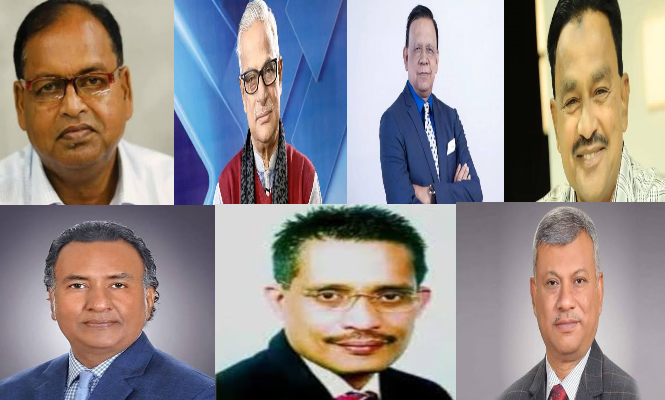
The current positions of veteran BNP leaders such as Shamsuzzaman Dudu, Zainul Abdin Faruk, Syed Moazzem Hossain Alal, Habib un nabi khan, Saiful Islam Nirob, former Home Minister Lutfozzaman Babar and lawyer Mahbub Uddin Khokon have become subjects of discussion within the party.
Their supporters argue that these leaders played visible roles during BNP’s most difficult periods, but many of them have not received the organisational or government responsibilities they had expected after the party’s political fortunes improved.
Saiful Islam Nirob’s role in Dhaka politics is particularly cited by his supporters as an example. They say Nirob remained active in rallies, processions and street demonstrations in Dhaka during the Awami League government, mobilising large numbers of activists despite facing cases, arrests, attacks and political repression.
His supporters also claim that he retained a substantial grassroots following in his constituency. Yet, instead of receiving the party nomination, a candidate from an allied political group was nominated. The result, in which the candidate failed to secure the expected outcome, has since prompted renewed discussion over the decision.
The change in nomination in the Jashore-1 constituency involving Mofiqul Islam Tripti has also become a contentious issue among BNP’s grassroots activists. According to a section of party workers, the decision to withdraw his nomination just 20 days before the election created disappointment among local activists.
They argue that Tripti had a long record of political activism and maintained a significant support base in the constituency. Some of his supporters believe that removing him from the electoral race affected the party’s prospects in the constituency.
Lawyer Mahbub Uddin Khokon is another veteran figure whose name has emerged in discussions over the issue. Having remained active for years in BNP’s legal wing and in the court arena, Khokon’s supporters had expected him to receive an important state responsibility. However, those expectations were not fulfilled when another individual was appointed to head the Ministry of Law.
Meanwhile, the appointment of several political figures associated with different political platforms, including Rashed Khan, Jonaed Saki, Nurul Haque Nur and Zahid Hasan, to important government responsibilities has raised questions among sections of BNP’s grassroots.
Critics are asking why individuals who joined the broader political equation relatively recently are receiving significant responsibilities while many leaders who stood by BNP during its prolonged period of political adversity remain outside key positions.
However, there may be several political and administrative considerations behind the leadership’s decisions, including coalition arrangements, political strategy, administrative requirements and electoral calculations. Therefore, it would be inappropriate to attribute every such decision solely to personal loyalty or political favouritism.
Nevertheless, the failure to adequately recognise veteran leaders could create frustration among their supporters and weaken morale at the grassroots level.
Recent events surrounding the mausoleum of BNP founder Ziaur Rahman have also generated discussion on social media. Supporters of some long-serving BNP leaders have expressed resentment over their perceived absence or limited access during events attended by BNP Chairman Tarique Rahman. Supporters of Saiful Islam Nirob have also spoken about an emotional incident involving the veteran leader.
Grassroots activists fear that political parties may have no shortage of supporters during good times, but when difficult times return, they will once again need the leaders who have already demonstrated their commitment on the streets.
The experience of political movements shows that dedicated and tested activists often become a party’s greatest strength during periods of adversity. Therefore, party insiders believe BNP needs to recognise the contributions of its veteran leaders, make better use of their experience and address the frustration among their supporters.
Ultimately, the BNP’s high command is in the best position to explain why certain leaders have been denied organisational positions, why some candidates were removed from electoral contests, and why relatively new political figures have been given important responsibilities.
But if the growing frustration at the grassroots is left unaddressed, it could eventually emerge as a significant organisational challenge for the BNP.