

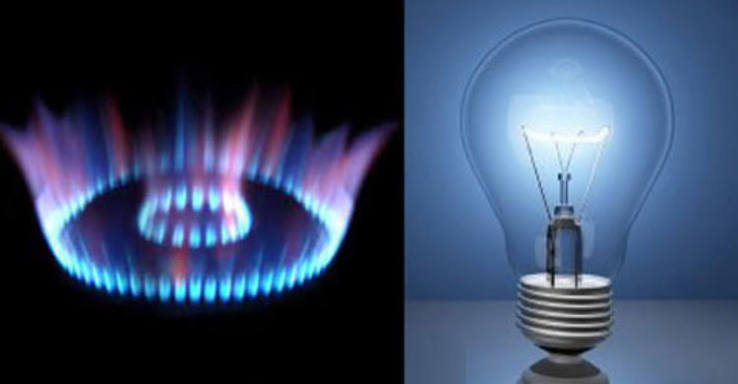
While political discussions about who will become president or minister continue to dominate public discourse, the biggest concern for ordinary people is now the worsening electricity and gas crisis. From the capital Dhaka to cities, towns and rural areas across the country, shortages of electricity and fuel are making daily life increasingly difficult. Prolonged gas shortages are disrupting cooking in households, while frequent power outages are causing severe hardship, particularly amid the ongoing hot weather.
Residents of different areas of Dhaka say that gas pressure in many households remains extremely low for long periods of the day. In some areas, gas is available in the morning but disappears for the rest of the day. In other areas, residents reportedly receive little or no gas for most of the day. As a result, preparing regular meals has become extremely difficult for many families.
Some households have been forced to use firewood, charcoal or other alternative fuels for cooking. However, such alternatives are not practical for many urban families, particularly those living in apartments. The gas shortage has also forced many families to order prepared food online. This has increased household expenses and deprived people of the opportunity to cook and enjoy their preferred meals at home.
The prolonged gas shortage is also contributing to growing frustration among city residents. Many consumers complain that although they regularly pay their gas bills, they are not receiving an adequate supply when they need it. The situation is affecting not only household cooking but also the daily routines of children, elderly people and working members of families.
The government has said that various measures are being taken to address the gas shortage. However, a large section of the public has yet to experience any significant improvement. Although the authorities have assured people that efforts are underway to restore normal supply, the situation on the ground remains largely unchanged in many areas. Affected residents are therefore demanding immediate and effective measures to resolve the crisis.
The electricity situation is also causing growing concern across the country. Residents of several areas of Dhaka have reported frequent power outages. During periods of extreme heat, prolonged electricity interruptions are making conditions particularly difficult inside homes. Children, elderly people and those with health problems are among the worst affected. For many residents, staying indoors without electricity during hot weather has become almost unbearable.
The government, however, has maintained that there is no major nationwide electricity crisis and that the situation remains under control. The experiences of residents in several parts of the capital tell a different story. They complain that electricity is being interrupted repeatedly at different times of the day and that, in some cases, it takes several hours for power to return. Such interruptions are disrupting normal life and increasing public frustration.
The impact of the electricity and gas shortages is also being felt in factories and industrial areas. Production in some factories is being disrupted because of inadequate gas supplies and repeated power interruptions. Businesses that depend heavily on uninterrupted electricity and gas are facing difficulties maintaining regular production, which could also affect workers and the wider economy if the situation continues for an extended period.
Reports from Rajshahi, Khulna, Barishal, Sylhet, Chattogram and Cumilla also indicate that people in different parts of the country are facing serious problems due to electricity shortages. Local residents say that in some areas electricity remains unavailable for long periods during the day. Power outages lasting several hours are also being reported at night. The situation is particularly difficult in rural areas, where people have fewer alternatives for coping with the heat.
When electricity goes out at night, many residents are unable to remain inside their homes because of the intense heat. Some spend time in their courtyards or in open spaces, while others remain awake for much of the night because they cannot sleep in the heat. During the day, prolonged power cuts are disrupting agriculture, small businesses, shops and other routine activities. Households and businesses that depend on electrical appliances and machinery are facing additional difficulties.
Students are also suffering because of the power crisis. In district and upazila-level schools and colleges, students are sometimes forced to leave classrooms and stay in open areas in an attempt to get some relief from the heat. Power outages in the evening are particularly harmful to students because they interfere with their studies. Those preparing for examinations are facing additional pressure as prolonged electricity interruptions make it difficult to maintain regular study schedules.
Taken together, the gas and electricity crises have emerged as major concerns for ordinary people. While political issues and discussions about government positions remain important, people are increasingly focused on basic necessities: having enough gas to prepare food and reliable electricity to maintain normal daily life. If the shortages continue for a prolonged period, public dissatisfaction could increase further.
The government has said that it is making every effort to restore normal electricity and gas supplies. The Prime Minister has also spoken at various meetings and public gatherings about government initiatives to address the problems. Ordinary people say they want to trust these assurances and hope that the measures being taken will produce results soon.
The immediate priority, however, is to ensure that these commitments translate into tangible improvements in people's daily lives. Effective and sustainable measures are needed to restore reliable gas and electricity supplies. The crisis is not merely a matter of inconvenience; it is affecting household life, education, business, industrial production and the overall well-being of millions of people. The public now expects the authorities to take swift and practical action so that normal life can return as soon as possible.