

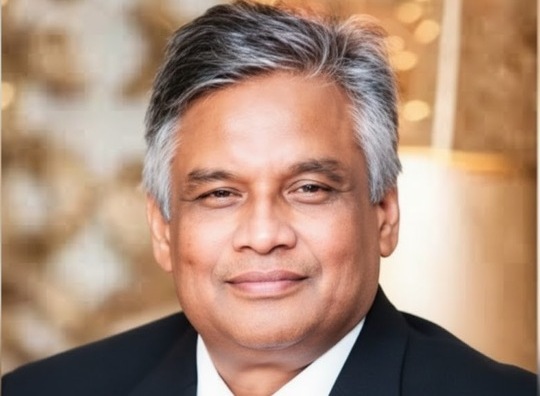
Born on January 25, 1962, in Hazratpur Union of Keraniganj, Dhaka, Aman Ullah Aman is one of Bangladesh’s most respected politicians and a trusted leader of the Bangladesh Nationalist Party (BNP). Raised by his father, Meghu Mia, and mother, Karimon Nesa, Aman inherited values of discipline, integrity, and public service from an early age. While pursuing higher education at Dhaka University, he not only excelled academically but also actively engaged in political activism, laying the foundation for a lifelong career dedicated to democracy and the welfare of the people.
Aman entered politics through the Bangladesh Jatiyatabadi Chhatra Dal, the student wing of the BNP, where he quickly distinguished himself as a skilled leader. During the mass uprising of the 1990s against the autocratic regime of Hussain Muhammad Ershad, Aman played a pivotal role in mobilizing students and citizens, contributing significantly to the movement that ultimately led to the fall of the dictatorship. In the 1990–91 academic session, he was elected Vice President (VP) of the Dhaka University Central Students’ Union (DUCSU), marking the first formal recognition of his democratic leadership.
Transitioning seamlessly from student politics to national politics, Aman contested the 1991 fifth parliamentary elections as the BNP candidate from Dhaka-3. Winning 97,299 votes, he defeated Mustafa Mohsin Montu of the Awami League and became a Member of Parliament for the first time. Known for his consistent service to the people, he has never lost an election. He was re-elected unopposed in the controversial February 15, 1996 one-party elections, and later won in the seventh parliamentary elections, defeating Awami League candidate Shahjahan with 124,096 votes. In 2001, he secured a decisive victory over Awami League’s Nasrul Hamid, receiving 169,980 votes, reflecting the unwavering trust of his constituents.
Following the BNP’s rise to power in 1991, Aman was appointed State Minister for Health and Family Welfare, playing a crucial role in shaping policies to improve public health. When BNP returned to government in 2001, he was entrusted with the Ministry of Labour and Employment as State Minister, a position he held until October 28, 2006. His tenure in both ministries was marked by dedication, integrity, and a strong focus on improving the lives of ordinary citizens.
Despite facing political pressure, imprisonment, and personal challenges, Aman has remained steadfast to his party’s principles. Over the past 17 years, particularly during the Awami League government, he has consistently upheld BNP’s ideals, earning the trust and confidence of party leader Begum Khaleda Zia. His popularity in Keraniganj remains unparalleled, as he has always stood by the people, providing support in times of crisis.
Aman Ullah Aman’s influence extends beyond electoral victories. He has played a significant role in the development of Keraniganj, transforming it into a modern urban area comparable to Dhaka city. His accessibility, empathy, and consistent engagement with constituents have made him a beloved leader across political divides. This year, he is expected to contest the Dhaka-2 parliamentary seat under the BNP banner, and due to his immense popularity, no major challenger has yet emerged in the constituency.
Beyond his political career, Aman is widely respected as a humble, principled, and honorable individual. He is married to Savera Aman, and together they actively participate in community service, earning admiration from citizens.
From student activism to parliamentary duties, from ministerial responsibilities to advisory roles within his party, Aman Ullah Aman has exemplified grassroots leadership throughout his career. Currently serving as an adviser to the BNP Chairperson and having previously held the position of Convener of BNP’s Dhaka North City unit, his contributions continue to shape the party’s strategic direction.
Aman’s life story stands as a testament to perseverance, integrity, and dedication to public service. Despite political turmoil and changing national landscapes, he has remained committed to democracy, development, and the welfare of the people. For the residents of Keraniganj and beyond, he is more than a politician—he is a symbol of hope, service, and principled leadership.
In an era where political ideals are often compromised for personal gain, Aman Ullah Aman’s unwavering adherence to BNP principles, selfless service to the underprivileged, and steadfast loyalty to his constituents provide an inspiring model. His enduring popularity and reputation for fairness firmly establish him as one of the most respected figures in contemporary Bangladeshi politics.