

As Bangladesh continues to grapple with an alarming rise in measles cases and child deaths, dengue fever is emerging as a new public health concern. The mosquito-borne disease has begun spreading at an increasing rate, with hospitals across the country reporting a growing number of admissions. The situation has sparked concern among citizens, while public health experts warn that dengue could become a major threat during the ongoing monsoon season if swift and effective measures are not taken.
According to the Directorate General of Health Services (DGHS), 101 dengue patients were admitted to hospitals across the country in the last 24 hours. Although no new deaths were reported during this period, the steady increase in infections has raised concerns among health authorities and the general public alike.
The information was disclosed in a dengue situation report issued on Thursday, June 18, by the Health Emergency Operation Center and Control Room of the DGHS. The report stated that among the newly hospitalized patients, the highest number—35 cases—were recorded in the Barishal Division outside city corporation areas.
In addition, 14 patients were admitted in Chattogram Division, 10 in different districts of Dhaka Division, one in Dhaka North City Corporation, 14 in Dhaka South City Corporation, one in Mymensingh Division, six in Rajshahi Division, and 20 in Khulna Division.
During the same period, 124 dengue patients were discharged from hospitals after recovering from the disease. As a result, the total number of recovered patients released from hospitals this year has reached 4,333.
Health Directorate statistics show that a total of 4,600 people have been infected with dengue so far this year. Of the total infected patients, 63.1 percent are male and 36.9 percent are female. The disease has claimed seven lives in the country since the beginning of the year.
The rising number of dengue infections has intensified public concern, particularly at a time when the country is already dealing with the resurgence of measles and related child fatalities. Health experts fear that the simultaneous spread of two infectious diseases could place additional pressure on the healthcare system.
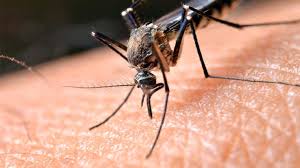
According to specialists, the monsoon season creates ideal breeding conditions for Aedes mosquitoes, the primary carriers of the dengue virus. Rainwater accumulated in containers, rooftops, construction sites, and other stagnant water sources allows mosquito populations to multiply rapidly. Without timely destruction of breeding grounds, regular cleanliness campaigns, and increased public awareness, the number of dengue cases could continue to rise.
Public anxiety over dengue has already become noticeable. Reports of dengue infections from different regions and widespread discussions on social media have heightened fears among many citizens. Some observers worry that if the situation is not brought under control quickly, dengue infections could surpass the current public concern surrounding measles.
Public health analysts believe that earlier and more aggressive mosquito control measures might have helped contain the current situation more effectively. They argue that intensified surveillance in high-risk areas and sustained anti-mosquito campaigns could have reduced the risk of a rapid increase in infections. However, authorities have stated that extensive mosquito control operations, larva destruction drives, and public awareness programs are currently being strengthened across various parts of the country.
The Directorate General of Health Services has also urged citizens to remain vigilant. Residents have been advised to ensure that water does not remain stagnant in homes, offices, educational institutions, or surrounding areas for more than three days. Health officials emphasize that clean, stagnant water serves as the primary breeding site for Aedes mosquitoes, allowing them to reproduce quickly.
A review of Bangladesh’s dengue history highlights the seriousness of the threat. In 2023, the country experienced its worst dengue outbreak on record. Beginning in June of that year, infections surged dramatically, resulting in 321,179 hospitalizations nationwide by the end of the year.
Among those patients, 110,008 received treatment in Dhaka, while 211,171 were treated outside the capital. Although 318,749 patients recovered and returned home, the outbreak claimed 1,705 lives, marking the highest annual dengue death toll in Bangladesh’s history.
The devastating experience of 2023 has prompted health experts to emphasize the importance of early preparedness and preventive measures this year. They stress that government initiatives alone will not be sufficient to combat dengue. Active public participation is equally essential in preventing the spread of the disease.
Experts recommend keeping homes and surrounding environments clean, removing stagnant water sources, using mosquito prevention measures, and seeking immediate medical attention if dengue symptoms appear. Such actions, they say, can significantly reduce the risk of infection and help contain outbreaks.
The growing spread of dengue amid an ongoing measles outbreak presents a new challenge for Bangladesh’s public health system. How effectively the situation can be controlled will largely depend on the combined efforts of government authorities, healthcare institutions, and the public. Health experts maintain that with timely and coordinated action, the spread of dengue can still be contained. Otherwise, the country may face an increasingly serious public health crisis during the monsoon season.