

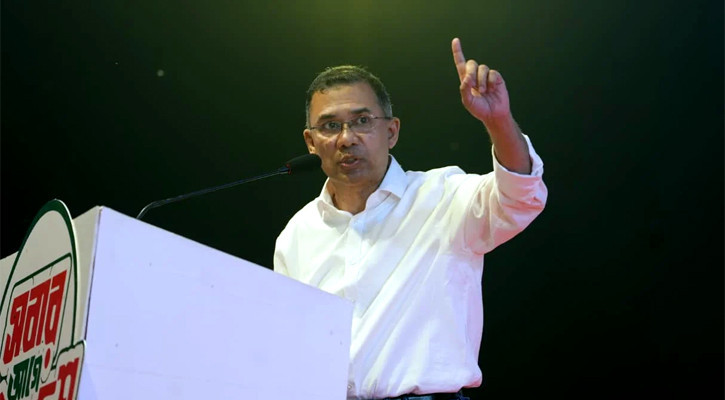
In Bangladesh’s current political landscape, Prime Minister Tarique Rahman has emerged as a figure of both hope and scrutiny. While many citizens view his leadership with optimism, he also faces a range of formidable challenges. Political analysts, intellectuals, and observers argue that his approach to governance reflects patience, strategic foresight, and a deep commitment to the welfare of the people. Nevertheless, the path ahead remains far from easy. He must navigate domestic political rivalries, international diplomatic pressures, and persistent economic difficulties while steering the country forward.
According to political analysts, one of Tarique Rahman’s greatest strengths is his patience and ability to assess complex situations. His long political experience has reportedly enhanced his maturity in decision-making. Individuals close to him claim that he approaches every major decision with caution, careful calculation, and strategic consideration. As a result, despite attempts by various quarters to mislead or influence him, he has demonstrated resilience and an ability to stay focused on his objectives.
Observers note that in contemporary politics, effective leadership requires more than popularity; it demands strategic competence, courage, and long-term vision. They argue that these qualities are evident in Tarique Rahman’s political conduct. Supporters frequently cite his decision to cancel a Florida training tour related to mosquito control and his refusal to approve a proposal to name a Keraniganj institution after Begum Khaleda Zia as examples of political prudence and independent judgment. Many within political circles believe that his leadership and long-term planning could contribute positively to the nation’s development and stability in the years ahead.
Since assuming office, however, he has been confronted with a challenging reality. Prolonged economic difficulties, high inflation, sluggish investment, and limited employment opportunities have created significant obstacles for the government. Economists emphasize that revitalizing a weakened economy requires time, expertise, and effective policymaking. Consequently, the administration faces the dual responsibility of delivering immediate results while implementing long-term structural reforms.
Supporters of the government argue that policies pursued during the tenure of the previous Awami League administration, as well as certain decisions made by the subsequent interim authorities, contributed to economic vulnerabilities. According to this perspective, the new government inherited a fragile economic environment. Although this assessment remains a subject of political debate, there is broad agreement that the current administration faces a difficult task in restoring economic stability and growth.
Analysts suggest that Prime Minister Tarique Rahman has placed economic reconstruction at the forefront of his agenda. Various initiatives have reportedly been undertaken to revitalize agriculture, industry, small and medium-sized enterprises, education, and the labor market. Particular emphasis is being placed on strengthening the rural economy, creating new employment opportunities, and fostering an investment-friendly environment.
Government policymakers maintain that ordinary citizens remain at the center of the country’s development strategy. Improving the living standards of farmers, small business owners, entrepreneurs, teachers, workers, and lower- and middle-income communities is among the administration’s principal objectives. According to government sources, ensuring economic security and enhancing the well-being of the people constitute the core commitments of the current leadership.
Following the national election held on February 12 and the subsequent formation of the government, Tarique Rahman moved swiftly to implement his policy agenda. Alongside efforts to increase administrative efficiency, the government has prioritized the execution of key development programs. Yet this journey has not been without obstacles.
Some political actors have alleged that both domestic and international groups have sought to undermine Tarique Rahman’s leadership since the government assumed office. Pro-government analysts contend that certain political parties and vested-interest groups have employed various tactics to hinder the administration’s progress. They argue that such efforts are aimed not only at weakening a political leader but also at disrupting national stability and development initiatives.
Political analysts, however, emphasize that disagreement and criticism are natural components of a democratic system. They caution that when political competition undermines national interests, it can impede overall development. For this reason, they advocate responsible political conduct, greater tolerance, and constructive dialogue among political stakeholders.
On the international stage, Bangladesh continues to face a variety of diplomatic challenges. Global economic uncertainty, regional geopolitical dynamics, and shifts in international trade conditions all have significant implications for the country. In this context, the government must balance the protection of national interests with the maintenance of constructive relationships with international partners. Analysts believe that Tarique Rahman’s political judgment and diplomatic skills will play an important role in addressing these challenges.
Overall, political observers regard the present period as a critical juncture for Bangladesh. Economic recovery, political stability, and social development require effective and coordinated government action. The success of initiatives undertaken under Prime Minister Tarique Rahman’s leadership will largely depend on good governance, policy consistency, and effective implementation.
The future trajectory of Bangladesh will be shaped significantly by the decisions and actions of the current government. Supporters believe that through patience, courage, foresight, and accountability to the people, Tarique Rahman can guide the nation toward a stronger and more prosperous future. However, achieving that vision will require him to successfully navigate political opposition, economic challenges, and international pressures. Ultimately, time will determine how impactful and transformative his leadership proves to be for Bangladesh.