

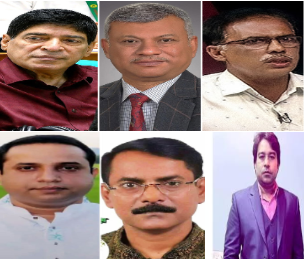
The Bangladesh Nationalist Party (BNP) has endured one of the most challenging periods in its political history over the past one and a half decades. During this time, thousands of party leaders and activists have faced lawsuits, arrests, imprisonment, political persecution, and various forms of harassment. Many spent years away from their families, some remained in hiding, while others lost significant portions of their lives behind bars. For numerous party members, political struggle and legal battles became an inseparable part of daily life.
Against this backdrop, many BNP leaders and activists established themselves as tested and loyal party soldiers. However, in an effort to maintain organizational discipline, the party also took strict measures against members accused of violating party decisions, breaching discipline, or contesting elections as independent candidates.
Notably, ahead of the 13th National Parliamentary Election, BNP expelled at least 190 leaders for contesting as independent candidates in defiance of party directives. Today, a significant number of those expelled leaders are seeking to return to the party. Many have already submitted formal applications to the party’s high command requesting reinstatement.
According to party sources, between August 5, 2024, and the announcement of the parliamentary election schedule, BNP took disciplinary action against approximately 4,500 leaders and activists. Of them, more than 2,600 were expelled. These decisions were taken primarily to enforce party discipline and strengthen organizational control.
Although a small number of expelled leaders were reinstated before the election, the majority remain outside the party. Many of them previously held important organizational positions at both the central and grassroots levels and played leading roles in various political movements and campaigns.
Among the most prominent figures seeking reinstatement is former minister and multiple-term Member of Parliament from Tangail-3 (Ghatail), Lutfor Rahman Khan Azad. He won the election as an independent candidate after defying the party’s decision. Since his expulsion, he has reportedly maintained communication with BNP’s central leadership in hopes of returning to the party.
Similarly, Salman Omar Rubel, the independent Member of Parliament from Mymensingh-1, has also expressed interest in rejoining BNP. He defeated BNP Joint Secretary General Emran Saleh Prince in the election. Although expelled for violating party discipline, Rubel is now seeking to return to the party fold.
Another expelled leader, Hasan Mamun, a former member of BNP’s National Executive Committee and an independent candidate from Patuakhali-3, has also indicated his willingness to return. Sources close to him say he is prepared to work actively for the party again if given the opportunity.
Not only elected independent candidates but also those who lost their elections are waiting for a chance to return. Taiful Islam Tipu, BNP’s former Assistant Office Secretary who contested from Natore-1, has publicly stated that BNP remains his political home and that he is ready to respond whenever the party calls upon him.
Among the notable leaders seeking reinstatement is Saiful Alam Nirab, former Convener of Dhaka North BNP. Widely recognized for his contributions during difficult times for the party, Nirab remained active in political movements despite facing severe repression. He reportedly has 457 cases filed against him and has been imprisoned multiple times while participating in anti-government movements. Much of his life over the past years has been spent attending court hearings and legal proceedings. Even after his expulsion, he continued participating in various party programs. According to Nirab, he has no political identity outside BNP, and the party’s ideology remains his ultimate political belief.
Likewise, Saiful Islam Firoz, Senior Joint General Secretary of Jatiyatabadi Swechchhasebak Dal, who was expelled after contesting independently from Jhenaidah-4, believes that his long-standing sacrifices and contributions to the party will eventually be recognized and positively considered by the leadership.
A large portion of those awaiting reinstatement have been among the driving forces of BNP politics for the last 16 to 17 years. Throughout periods of political adversity, they remained on the front lines of movements and protests, enduring arrests, lawsuits, persecution, and financial hardship without abandoning the party.
Political analysts argue that not all expelled leaders should be viewed through the same lens. Those who have made significant sacrifices for the party and whose primary offense was violating a party directive may deserve reconsideration.
Supporting this view, BNP Chairperson’s Adviser Advocate Syed Moazzem Hossain Alal recently stated that leaders who have contributed to the party for one or two decades and whose mistakes are correctable could be allowed to return. However, he emphasized that strict warnings should accompany any reinstatement to prevent similar incidents in the future.
The issue, however, is far from straightforward for BNP policymakers. Independent candidates reportedly contributed to the defeat of BNP-backed contenders in at least 20 constituencies, while vote splitting in several others deprived party candidates of victory. As a result, the party remains cautious about maintaining discipline and organizational unity.
BNP Vice Chairman Shamsuzzaman Dudu has argued that those who contested elections against party decisions must take responsibility for their actions. According to him, they must acknowledge their mistakes and await the party’s final decision regarding their return.
Meanwhile, BNP Standing Committee Member Nazrul Islam Khan noted that even highly dedicated leaders sometimes face strict disciplinary measures. He emphasized that such decisions are never taken with satisfaction but are often necessary for organizational reasons.
Political observers believe BNP now faces a significant organizational challenge: balancing party discipline with the need to retain experienced and committed leaders. Failure to strike this balance could weaken the party’s organizational strength in the future.
Analysts also point out that many leaders who spent the last 16 years enduring political hardship may naturally feel frustration and disappointment if they remain excluded indefinitely. Such prolonged exclusion could ultimately prove counterproductive for the party, particularly because many of these leaders possess considerable experience in organizing grassroots movements, mobilizing activists, and maintaining party structures during difficult times.
For this reason, a section of the political community believes BNP should make a timely and pragmatic decision regarding the expelled leaders, taking into account the nature of their offenses, their contributions to the party, and future organizational needs. Such a move could strengthen the party’s organizational capacity while also restoring morale and loyalty among long-serving activists.
Ultimately, this issue extends beyond a simple question of discipline. It has become a broader test of BNP’s ability to preserve unity, strengthen its organizational foundations, and prepare for future political challenges. The political arena is now watching closely to see what decision the party’s leadership will make regarding the reinstatement of its expelled leaders.