

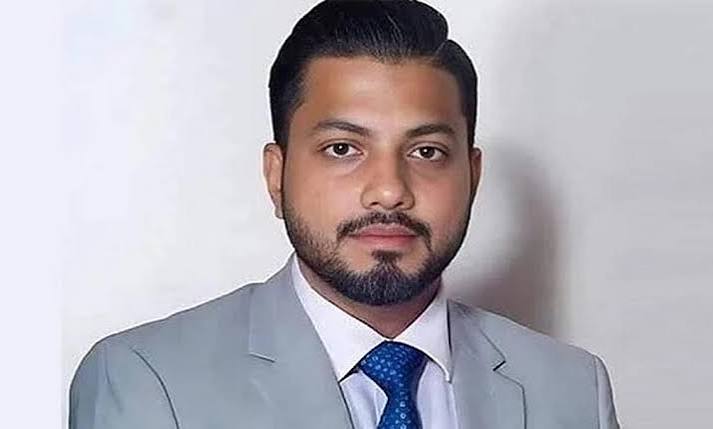
Ishrak Hossain’s influence in Dhaka’s political arena is growing steadily, driven by his reputation for responsibility, courage, and organizational skills. To his supporters and party workers, he is known as an active and strategic leader. His visible role in political movements and his continued support for party workers have contributed to his growing popularity in the capital, according to his followers.
As an engineer, Ishrak Hossain has also benefited from a family political legacy. However, many believe that he has established an identity of his own through his dedication, organizational abilities, and active presence at the grassroots level. Party leaders and workers say that he has played a prominent role in leading party programs and political movements while also working to address the problems faced by party activists.
Ishrak Hossain has faced various challenges throughout his political career. According to his supporters, he has faced lawsuits and imprisonment in connection with his political activities. Allegations have also been made that he was targeted in an attempt on his life. Despite these challenges, his followers say he never withdrew from political activities. They particularly credit his active participation in various movements during the Sheikh Hasina government with strengthening his acceptance and popularity among party workers.
At present, Ishrak Hossain is seeking to remain active in both his official responsibilities and party activities. His political colleagues claim that many people have expressed satisfaction with his performance during the first six months since he assumed ministerial responsibility. According to them, he has continued to devote time to organizational matters while carrying out his responsibilities in the ministry. They say he is making efforts to maintain a balance between his government duties and political responsibilities.
Party leaders and workers from different parts of Dhaka regularly approach him with various demands and problems. Although his schedule remains busy, his close associates say that he makes an effort to listen to their concerns and take initiatives to resolve issues whenever possible. He is also said to be working to address problems faced by ordinary citizens in addition to supporting party workers.
Political observers note that a leader’s popularity depends not only on position or power but also on communication with people, standing beside them during difficult times, and demonstrating responsibility in carrying out duties. From that perspective, Ishrak Hossain’s active engagement is helping him strengthen his presence in Dhaka’s political landscape.
Looking ahead, Ishrak Hossain is focused on maintaining the trust and goodwill of the people by remaining closely connected with them. His supporters believe that his political position could become stronger if he can effectively balance party responsibilities, government duties, and the expectations of ordinary citizens. With a commitment to serving the people and strengthening his position in the capital’s political arena, Ishrak Hossain continues to move forward with an emphasis on dedication and responsible leadership.